
Short-Term Seasonal Work: Roles, Pay Trends and When Employers Hire
Anúncios
Every busy season creates a wave of temporary openings, from holiday retail floors to summer resorts and packed distribution centers.
For many people, this kind of short-term work can be a practical way to boost income without signing up for a permanent full-time position.
This overview covers the most common roles, how pay tends to be structured and the months when hiring picks up.
- Contract style: fixed-term positions that follow each industry’s peak demand.
- Where hiring happens: stores, fulfillment hubs, hotels, parks, farms and tax offices.
- Usual duration: anywhere from one month to a full season of work.
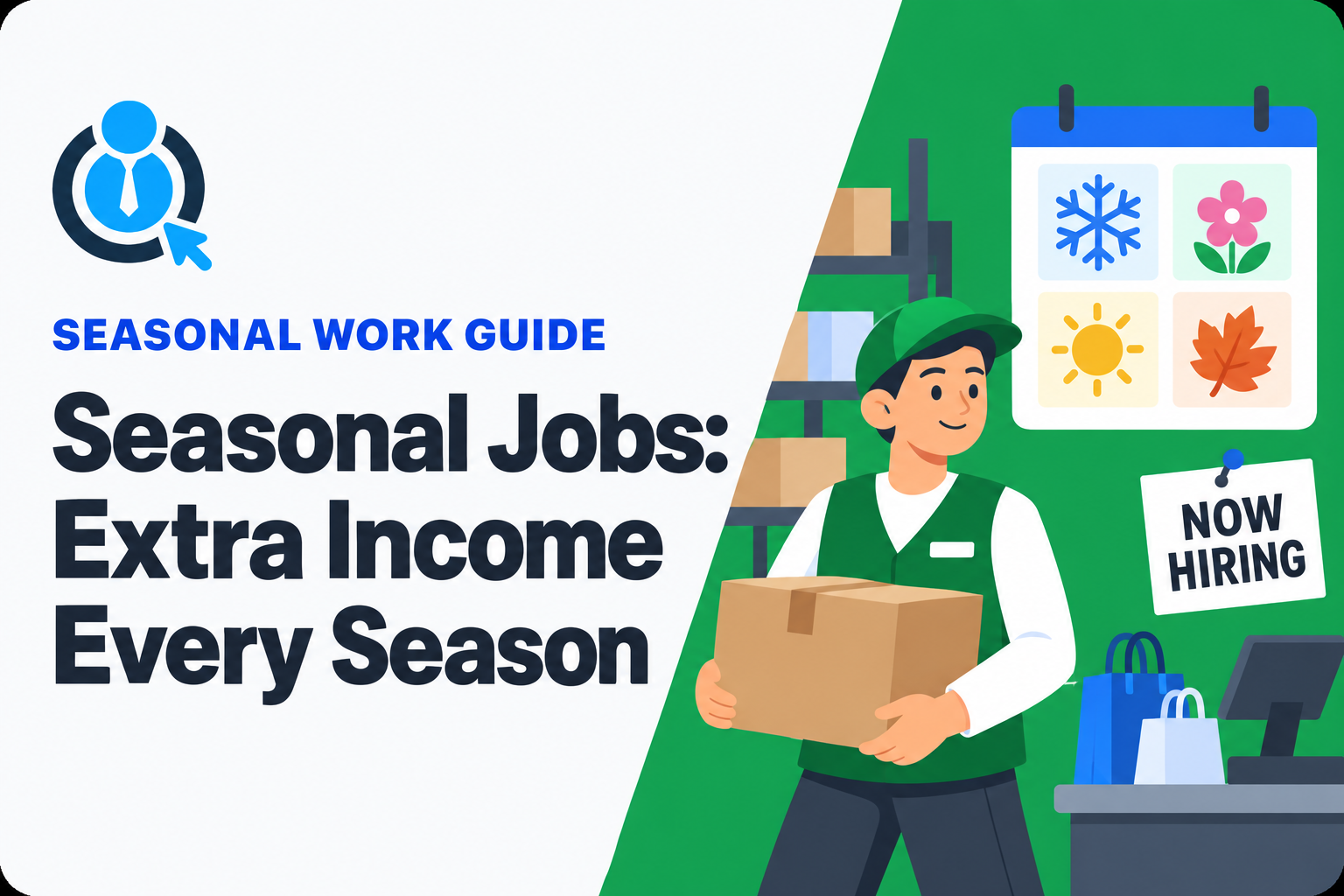
Knowing the landscape in advance tends to make the search easier, because each industry follows its own calendar, pay habits and screening steps for temporary staff.
A Closer Look at Common Seasonal Roles
Some positions come back year after year, making them easier to plan for ahead of time.
- Sales floor staff: greeting customers, restocking displays and handling checkout lines.
- Order fulfillment: scanning, packing and loading parcels at busy distribution hubs.
- Delivery helper: riding along with drivers to speed up drop-offs in peak weeks.
- Resort and hotel crew: front desk, housekeeping and food service in tourist areas.
- Camp and park staff: guiding groups, supervising activities and running visitor centers.
- Tax season assistant: scheduling appointments, organizing files and supporting preparers.
- Remote support agent: answering customer questions online during holiday shopping rushes.
- Harvest worker: picking, sorting and packing produce at farms and orchards.
Employers in these areas often welcome first-time workers and tend to provide short, practical training before the rush begins.
Why People Choose Seasonal Positions
Temporary roles attract a broad range of workers, and the reasons usually go beyond the extra cash.
Short hiring process
With peak dates approaching, many companies speed up interviews and may extend offers within a week.
Schedules that adapt
Morning, evening and weekend shifts can make it easier to balance work with other commitments.
Income boost
Hourly wages plus possible holiday premiums tend to help with year-end expenses or savings goals.
Stronger resume
Recent work history fills employment gaps and shows future employers that you can handle pressure.
A foot in the door
Companies frequently look first at their seasonal teams when permanent openings come up later on.
The Employers Behind Seasonal Openings
Temporary job listings come from organizations of every size and sector.
- National companies: department stores, parcel carriers and online marketplaces with large warehouses.
- Regional and local employers: ski resorts, amusement parks, orchards, caterers and accounting firms.
Recruiting firms and temp agencies also fill many of these spots, matching candidates with clients and managing their paperwork and pay.
Safety tip: a real job offer should never require you to pay for training, uniforms or applications.
Is Seasonal Work a Good Fit for You?
Short-term positions tend to work best for people who need income now but prefer to keep their options open.
- College and high school students: school breaks match the busiest hiring periods.
- Older adults: reduced schedules may bring extra money and social contact without long hours.
- People between jobs: a temporary contract can keep income flowing during a career search.
Stay-at-home parents and self-employed workers may also use seasonal jobs to test a new field before making a bigger move.
What the Hiring Process Looks Like
Seasonal recruitment usually follows a short, straightforward path from start to finish.
- Step one: an online application with contact details and availability.
- Step two: a brief interview, in person or by video, plus possible checks.
- Step three: onboarding and paid training right before the peak begins.
Wages are generally set per hour and must meet local minimum wage laws, while some companies add referral or retention bonuses.
Advantages and Disadvantages
Weighing both sides may help you decide whether a temporary role fits your plans.
Beginner friendly
Many openings list no experience required and offer training from day one.
Clear timeline
Knowing the end date up front makes it easier to plan your next steps.
Useful contacts
Coworkers and supervisors may later point you to other job opportunities.
Extra perks
Staff discounts and free meals on shift can be part of the package at some employers.
Income gaps
Once the season wraps up, earnings stop, so it pays to start searching for the next opportunity early.
Limited coverage
Temporary contracts often leave out health plans, retirement matching and paid vacation days.
Intense workload
Peak periods may bring extended hours, last-minute schedule changes and tasks that are physically tiring.
Costs, Requirements and Key Hiring Months
There is no fee to apply, and recruitment tends to repeat on a yearly cycle.
- End-of-year holidays: postings usually appear from late summer through November.
- Summer tourism: employers typically recruit between early spring and May.
- Tax filing period: hiring tends to happen around the turn of the year.
- Eligibility: expect age limits, legal work authorization and, at times, a background check.
Candidates who apply at the start of each cycle often get more say over their shifts, location and total weekly hours.
Why the Worklora Team Supports Seasonal Jobs
Our team tracks hiring trends every year, and temporary roles keep showing up as one of the quickest routes to paid work.
They can also help people rebuild confidence after time away from the workforce, explore an unfamiliar industry and gather references for their next application.
- Open doors: modest requirements for most entry-level roles.
- Quick income: less waiting time between applying and working.
- Choice: a wide range of shifts, sectors and locations.
- Future options: a chance to be considered for long-term roles.
The Payoff of a Season of Work
A few months on the job can leave you with benefits that last well after the contract ends.
- Practical abilities: handling customers, working in teams and meeting tight deadlines.
- Recommendations: managers who can vouch for your work ethic.
- Financial breathing room: extra earnings for gifts, tuition or an emergency fund.
Highlighting these gains in interviews may make a strong impression on recruiters for your next position.
Getting Your Application Ready
Seasonal applications are usually quick, and being prepared may help you respond fast when openings appear.
- Documents: a one-page resume, a valid ID and proof of work authorization.
- Search strategy: look for temporary or holiday roles near you and set job alerts.
Seasonal Jobs Versus Other Ways to Earn
Different work arrangements serve different needs, so it helps to compare them side by side.
- Freelance and gig work: you pick your hours, yet weekly pay can swing widely.
- Staffing agency contracts: ongoing placements, though locations may shift frequently.
- Year-round jobs: steadier pay and benefits, but slower and more selective hiring.
For anyone who wants fast, structured income with a known finish line, seasonal roles tend to strike a practical balance.
Common Questions About Seasonal Work
When do most seasonal employers start recruiting?
It depends on the sector: holiday retail and logistics often begin in late summer, while summer tourism recruits in spring.
Is seasonal pay different from regular pay?
Hourly rates are often similar to regular staff, and some employers add holiday or peak-period premiums.
Will I be offered a permanent job afterward?
Some workers are, especially those with strong attendance and performance, but there is no guarantee.
Can I work a seasonal job from home?
Yes, certain roles in customer support, tax assistance and online sales may be offered as remote positions.
What if I have never had a job before?
Many seasonal employers hire first-time workers and train them, valuing reliability and flexibility.
Smart Ways to Stand Out
Small actions during the season can make a real difference in how you are remembered.
- Offer open availability: flexible dates often lead to more shifts.
- Keep a clean record: steady attendance builds trust quickly.
- Learn fast: picking up new tasks may lead to extra responsibilities.
- End on good terms: a friendly goodbye keeps the door open.
Leaving a positive impression may put you at the top of the list when the next busy season arrives.
Closing Thoughts
Short-term seasonal work offers a flexible path to extra income and new skills, and it often suits people who are not ready or able to commit to a year-round position.
Planning around each industry’s hiring calendar tends to give you better access to preferred shifts, roles and locations.
At the same time, it is wise to account for the end date, the limited benefits and the busy workload before accepting any temporary offer.
Approached with preparation and a good attitude, one season on the job may lead to steady extra earnings, useful references and, in some cases, a lasting position.

Worklora Editorial Team
Worklora is an independent editorial team that researches jobs, careers and training opportunities. We publish clear, practical guides to help readers understand their options and make informed decisions about work, income and professional growth.
Learn about our work