
Section 8 Housing Vouchers: Eligibility, Rent Rules and How to Apply
ADVERTISEMENT
Rent keeps climbing in many U.S. cities, and for low-income households, an affordable apartment can feel out of reach.
The Section 8 Housing Choice Voucher program was built to close part of that gap by helping families pay rent in the private market.
Here is who may qualify, how the rent share is usually calculated and what the application process tends to involve.
- Program: Housing Choice Voucher (HCV), commonly known as Section 8
- Funded by: U.S. Department of Housing and Urban Development (HUD)
- Managed by: Local public housing agencies (PHAs) across the country
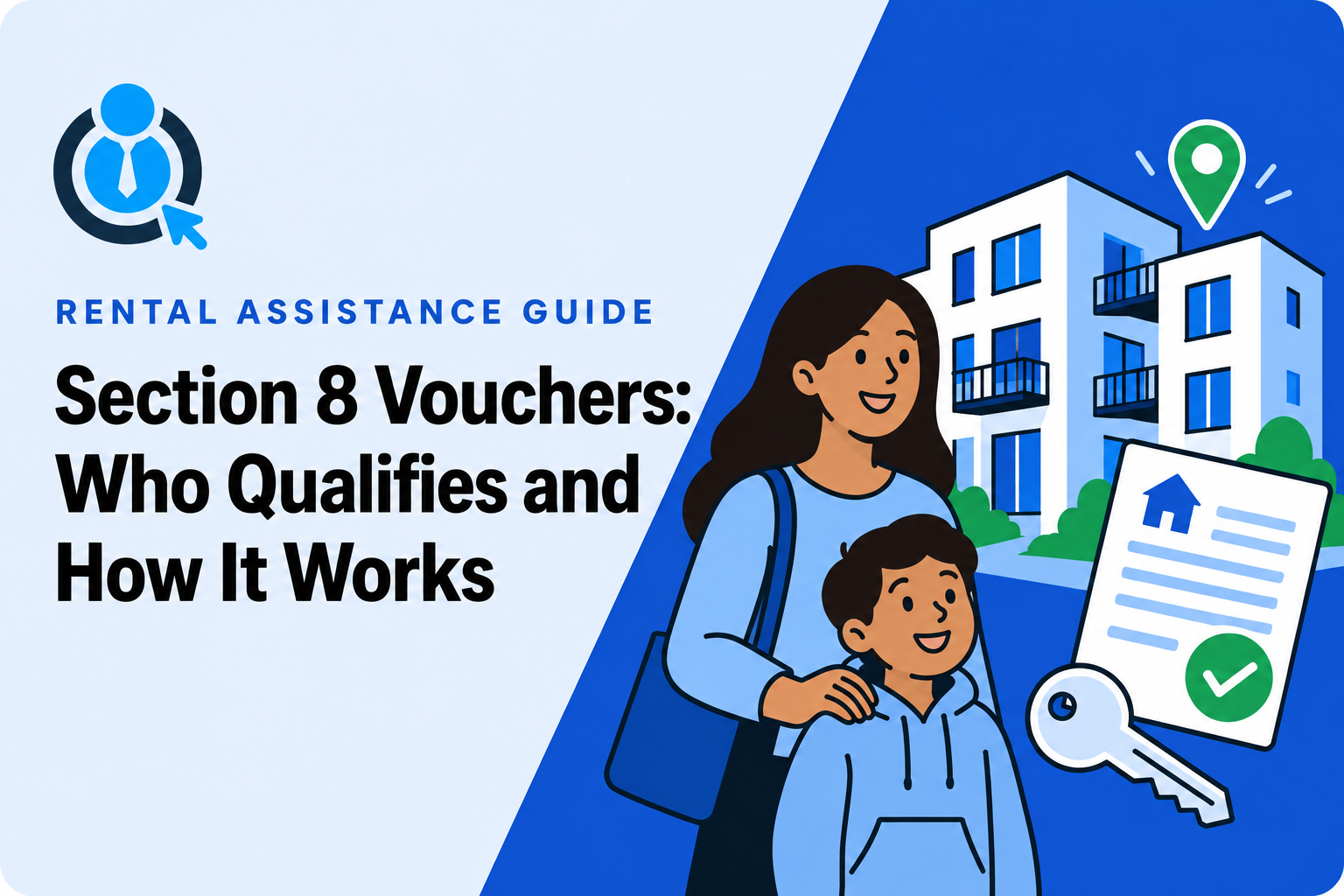
Unlike public housing, the voucher is not tied to a single building. You choose a rental that meets program rules, and the agency pays part of the rent to the landlord.
What the Section 8 Program Includes
The program brings together several parts that work side by side once a household is approved.
- Rent subsidy: The housing agency pays a share of the monthly rent directly to the landlord.
- Tenant share: Families generally pay around 30% of adjusted monthly income toward rent and utilities.
- Choice of home: Apartments, townhouses and single-family homes may qualify if the owner participates.
- Inspection: The unit is checked for health and safety standards before the lease begins.
- Payment standard: Each agency sets a cap, usually between 90% and 110% of HUD’s Fair Market Rent.
- Portability: Vouchers can often move with the family to another city or state, under agency rules.
- Homeownership option: Some agencies allow voucher holders to apply assistance toward a mortgage payment.
- Special vouchers: Separate tracks exist for veterans (HUD-VASH), people with disabilities and youth leaving foster care.
Details vary from place to place, so the local agency’s own policies and payment standards are what shape each family’s assistance.
Key Benefits of a Housing Choice Voucher
For many renters, a voucher can reshape the monthly budget more than almost any other type of housing help.
Lower monthly rent
Because the tenant share is tied to income, housing costs tend to become more predictable and manageable.
Freedom to choose
Families can pick the neighborhood, school district and apartment size that fit them, within program limits.
Help that follows income
If earnings drop, the family’s share can usually be recalculated at recertification or through an interim review.
Safer housing standards
Required inspections help make sure the home meets basic health and safety requirements before move-in.
Long-term stability
Assistance can continue for years as long as the household remains eligible and follows program rules.
Who Runs the Section 8 Program
Section 8 is a federal program, but most day-to-day decisions happen locally.
- HUD: Sets national rules, publishes income limits and Fair Market Rents, and funds the program.
- Public housing agencies: Take applications, manage waiting lists, verify eligibility and pay landlords.
That division helps explain why waiting times, local preferences and payment standards can look very different from one county to the next.
Good to know: HUD’s PIH Information Resource Center, (800) 955-2232, can help locate your local agency.
Who May Qualify for Section 8
Eligibility is decided by the local agency, which reviews the household as a whole rather than a single person.
- Income: Generally at or below 50% of the area median income; most new vouchers go to households under 30%.
- Family size: Income limits rise with the number of people living in the household.
- Status: Covered members need U.S. citizenship or an eligible immigration status.
Agencies also run background checks and may deny applicants with certain criminal records or past evictions from assisted housing.
How the Voucher Works in Practice
Once a household reaches the top of the list, the process tends to follow a clear path.
- Briefing: The agency explains the rules, the voucher size and how long you have to search.
- Housing search: You look for a rental whose owner accepts vouchers, usually within at least 60 days.
- Lease and contract: After inspection, the landlord signs a lease with you and a payment contract with the agency.
From then on, the agency pays its portion each month, and the household pays its own share to the landlord, just like any other renter.
Advantages and Disadvantages of Section 8
Like any assistance program, Section 8 has real strengths and some trade-offs.
Predictable rent
The tenant share is based on income, which can make monthly budgeting noticeably easier.
Private-market homes
Voucher holders are not limited to public housing developments or one specific building.
Room to relocate
Portability may let families move for a new job, a school or support from relatives.
No application fee
Joining a housing agency’s waiting list is free; nobody should charge you to sign up.
Long waiting lists
Demand usually exceeds funding, so waits of several years are common and many lists stay closed for long stretches.
Not every landlord takes vouchers
In some areas, owners may decline voucher tenants, which can make the apartment search slower and more stressful.
Ongoing paperwork
Households must report income changes, recertify regularly and follow lease terms to keep receiving assistance.
Costs, Conditions and Timelines
Applying costs nothing, but staying in the program depends on a few ongoing conditions.
- Application cost: $0 — housing agencies do not charge a fee to join a waiting list.
- Minimum rent: Some agencies set a minimum tenant payment of up to $50 per month.
- Recertification: Income and household size are reviewed periodically, often once a year.
- Search window: Vouchers usually allow at least 60 days to find a unit, and extensions may be possible.
Security deposits, moving costs and utility setup are generally the family’s responsibility, so planning ahead tends to help a lot.
Why Worklora Recommends Learning About Section 8
Housing is usually the largest line in a household budget, and even a small change in rent can affect everything else.
We believe clear information can be the difference between giving up after one closed waiting list and knowing how to get on several lists at once.
- Scale: It is one of the largest rental assistance programs in the United States.
- Transparency: The rules are public, and official government sources explain each step.
- Choice: Families keep the freedom to decide where they want to live.
- Timing: Knowing the process early can save precious time when lists reopen.
What Voucher Holders Tend to Gain
Beyond the rent itself, stable and affordable housing often opens the door to other improvements in daily life.
- Budget room: Money that once went to rent can go toward groceries, transportation or an emergency fund.
- Stability: A predictable lease may reduce frequent moves and school changes for children.
- Opportunity: Many agencies offer Family Self-Sufficiency programs linked to job training and savings.
Results depend on each household and local rental market, but many families describe less financial pressure month to month.
How to Apply for a Section 8 Voucher
There is no single national application form; each public housing agency runs its own waiting list and paperwork.
- Find your agency: USA.gov and HUD’s PHA contact lists show which agencies serve your area.
- Apply when lists open: Submit your application online, by mail or in person, and keep your contact details current.
How Section 8 Compares to Other Rental Assistance
Section 8 is not the only route to affordable rent, and applying to more than one option is often a smart move.
- Public housing: Rent is also income-based, but you live in a specific agency-owned building.
- Project-Based Section 8: The assistance stays with the apartment, not the family, in participating properties.
- LIHTC apartments: Tax-credit properties offer below-market rents and often accept voucher holders.
Emergency rental assistance and state housing programs may also help with back rent or security deposits while you wait.
Section 8: Frequently Asked Questions
Is Section 8 the same as public housing?
No. Public housing means living in a building owned by the agency, while a voucher lets you rent a home from a private landlord.
How long is the Section 8 waiting list?
It varies widely. Some lists move in months, while in high-demand areas the wait can stretch for several years.
Can I apply in more than one city?
Yes. You can usually apply to any agency with an open list, though some give preference to local residents.
Does Section 8 pay the full rent?
Usually not. The household pays its income-based share, and the agency covers the rest up to its payment standard.
Can a landlord refuse a housing voucher?
It depends on where you live. Several states and cities have laws that bar landlords from rejecting tenants based on source of income.
Tips to Make the Most of Your Voucher
A few simple habits can make the search and the lease go more smoothly.
- Keep documents ready: Pay stubs, IDs, Social Security cards and benefit letters tend to speed up verification.
- Watch your mail and email: Missing an agency notice may cost you your place on the list.
- Start the search early: Contact landlords, browse apartment listings and ask local housing counselors right away.
- Report changes on time: Tell the agency about income or household changes within the required deadline.
Free HUD-approved housing counselors can also help review your options, your budget and your rights as a tenant.
Final Thoughts
The Section 8 Housing Choice Voucher program remains one of the most important tools for low-income renters in the U.S., combining federal funding with local management and personal choice.
It is not instant help: waiting lists can be long, and every agency has its own timeline, preferences and payment standards.
Still, households that understand the income limits, keep their documents organized and watch for list openings tend to be better prepared when an opportunity comes.
If rent is taking too big a bite of your income, learning how Section 8 works in your area may be a worthwhile first step, alongside other affordable housing options nearby.

Worklora Team
Worklora publishes clear, independent guides on jobs, benefits, housing programs and personal finance. Our team researches official sources and turns complex rules into practical information, so readers can make informed decisions with more confidence.
Learn about our work
1 comentário em “ART 1 – Section 8 Housing Vouchers: Eligibility, Rent Rules and How to Apply”